The best kitchen design ideas focus on improving functionality through better storage, layout, and usability rather than just appearance. While finishes and colors can enhance the look of your space, it’s the functional elements that determine how easy and enjoyable your kitchen is to use every day.
Smart design choices can simplify daily tasks, reduce clutter, and create a more efficient workflow, making your kitchen feel more organized and comfortable over time.
Deep drawers are a highly effective alternative to traditional lower cabinets. Instead of bending down and reaching into hard-to-access spaces, drawers allow you to pull everything out into view.
They are especially useful for storing pots, pans, and larger kitchen items, making organization easier and improving accessibility for everyday u
Pull-out pantry systems maximize vertical storage and make it easier to keep items organized. Unlike standard shelving, these systems allow you to see and access everything without having to move items around.
They are ideal for dry goods, spices, and smaller kitchen essentials, helping reduce clutter and improve overall efficiency.
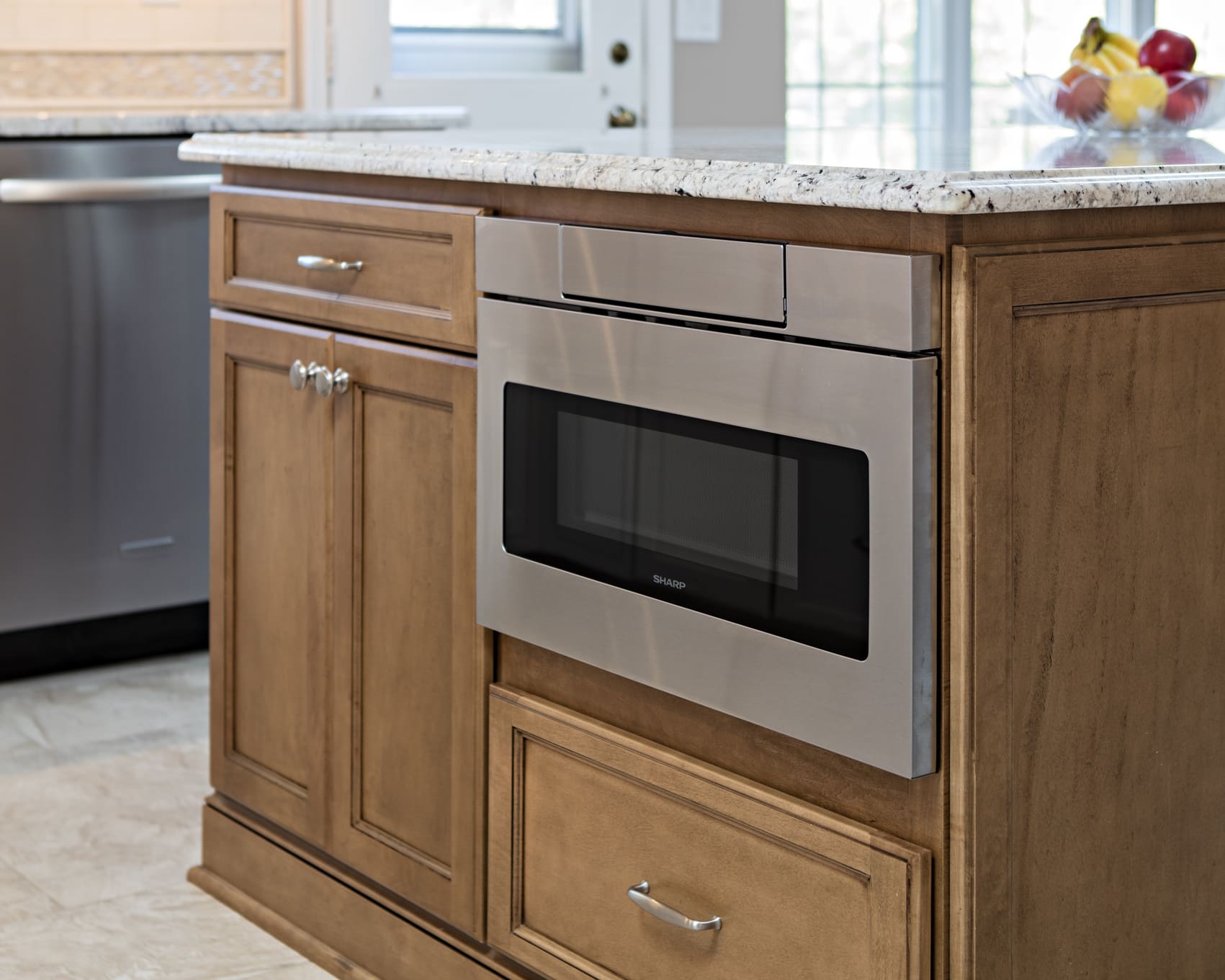
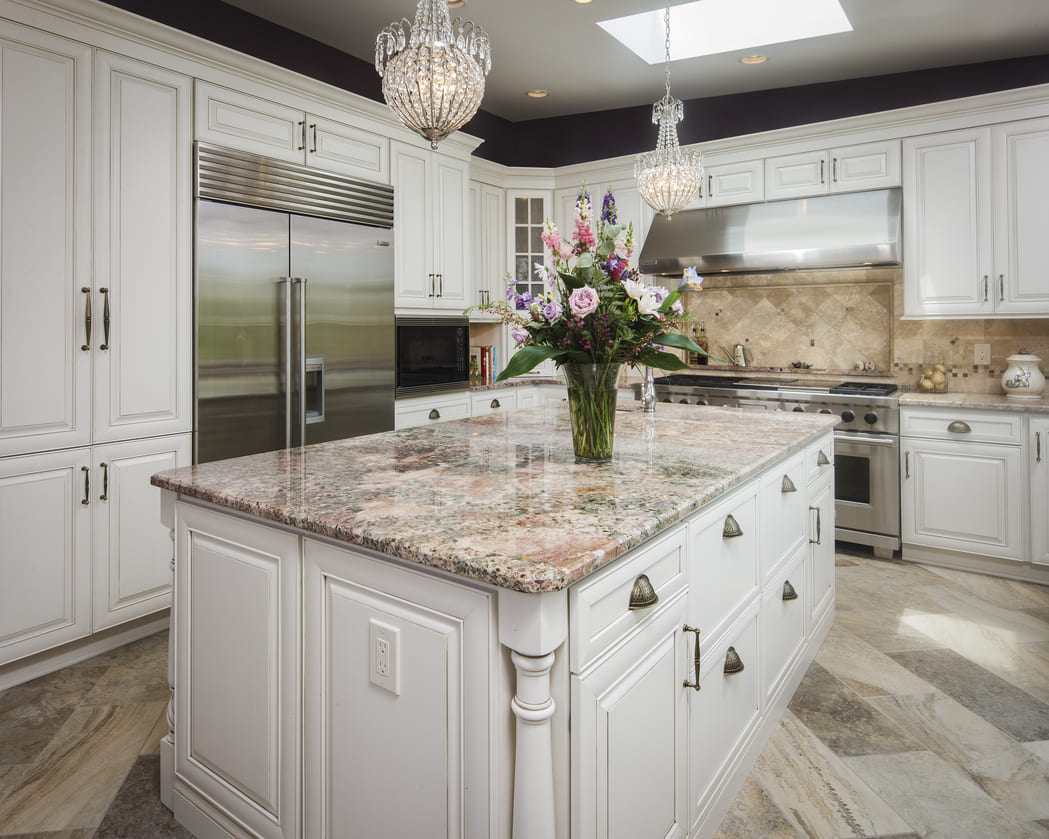
A well-designed kitchen island can serve multiple purposes, including additional prep space, storage, and seating. Islands are particularly valuable in open-concept kitchens, where they can act as a central hub for cooking, dining, and socializing.
When designed properly, an island can significantly improve workflow by adding a dedicated area for food preparation or casual meals.
Under-cabinet lighting enhances visibility by directly illuminating your countertops, making tasks like food prep safer and easier. It also adds a subtle layer of ambient lighting that can improve the overall feel of the space.
This is a relatively simple upgrade that can have a noticeable impact on both functionality and appearance.
Built-in organizers, such as drawer dividers, pull-out trash bins, and utensil inserts, help keep everything in its place. These features reduce clutter and make it easier to find what you need quickly.
By customizing storage to fit your specific needs, you can create a kitchen that feels more intuitive and efficient to use.
While aesthetics play an important role in the overall look of your kitchen, functionality has a greater impact on how the space performs day to day. A kitchen that looks great but lacks proper storage or workflow can quickly become frustrating to use.
Focusing on functional design ensures that your kitchen supports your daily routines, making cooking, cleaning, and entertaining more enjoyable. The best kitchens strike a balance between style and usability, but function should always come first.
A functional kitchen design improves comfort, efficiency, and long-term value. By prioritizing smart storage solutions, thoughtful layouts, and practical features, you can create a space that not only looks great but also works seamlessly for your lifestyle.
Investing in functionality upfront leads to a kitchen that remains useful and enjoyable for years to come.
What adds the most function to a kitchen?
Storage solutions and layout improvements typically have the biggest impact. Features like deep drawers, pull-out systems, and efficient work zones can significantly improve how your kitchen operates.
Are kitchen islands worth it?
Yes, in most cases kitchen islands add valuable workspace, storage, and seating. However, they should only be included if your space allows for proper clearance and movement around the kitchen.
31 March, 2026 03:11:54
The best kitchen upgrades improve how the space works every day. Explore functional design ideas—smarter storage, better lighting, and layouts that make cooking and cleanup easier.
31 March, 2026 03:10:28
The right NJ kitchen remodeling contractor keeps your project compliant, organized, and on schedule. Use this checklist of what to look for and what to ask before you hire.
31 March, 2026 03:09:07
Kitchen remodel mistakes can lead to delays, budget overruns, and daily frustration. Here are the most common issues—storage, layout, budgeting, changes, and contractor choice—so you can avoid them.
