Most bathroom remodels in New Jersey require permits if plumbing, electrical, or structural work is involved.
Permits protect homeowners and ensure work meets local building codes.
Permits are usually needed for:
Each municipality may have slightly different requirements.
Cosmetic updates that often do not require permits include:
Always confirm with your local building department.
Permits:
Skipping permits can create legal and financial problems later.
Timelines vary by town, but approvals can take several days to a few weeks.
In most cases, the contractor handles permits and inspections.
9 February, 2026 04:37:13
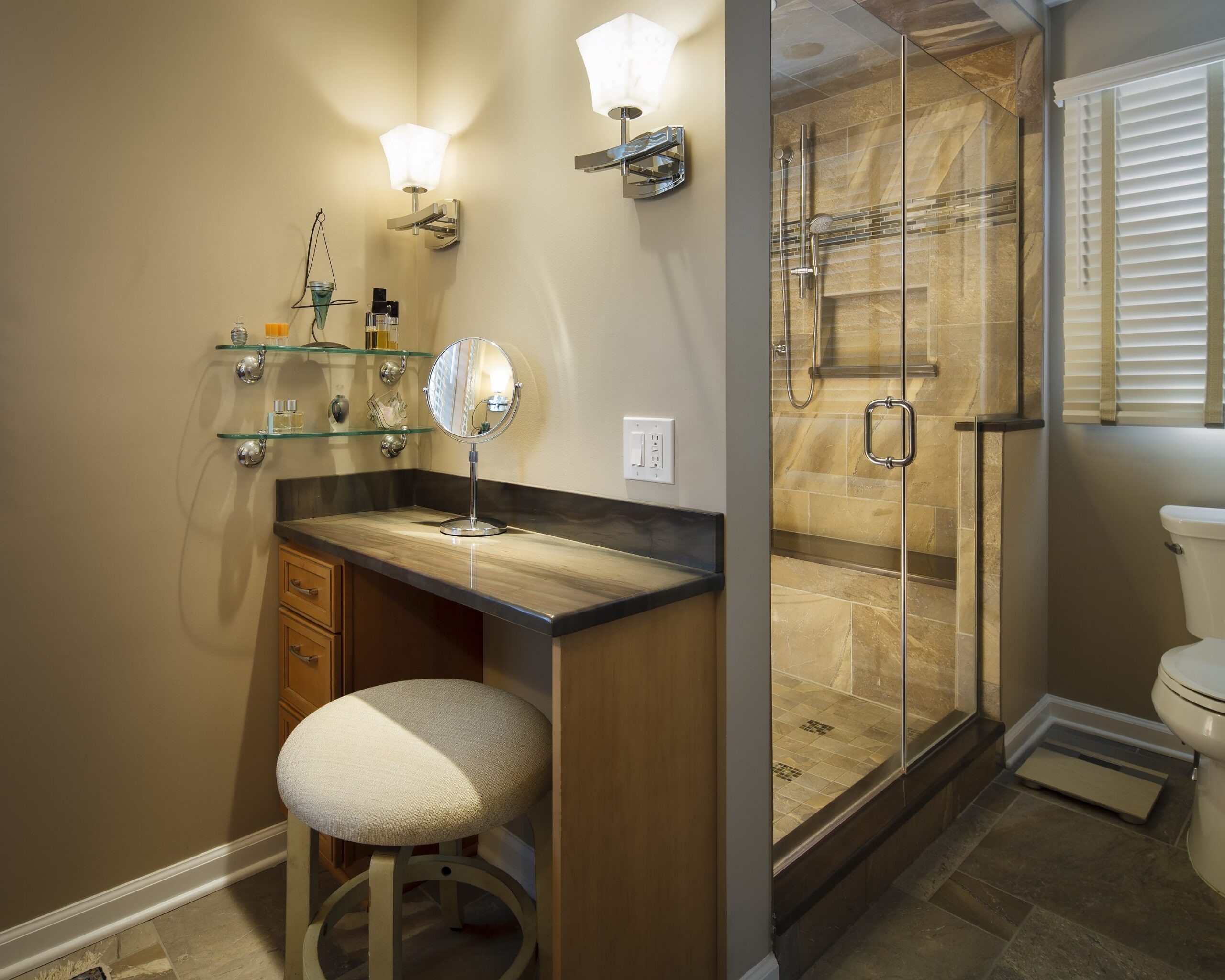
The right contractor stands out by how clearly they communicate, how transparently they plan the work, and how confidently they guide you through each step of the remodeling process.
2 February, 2026 04:31:36
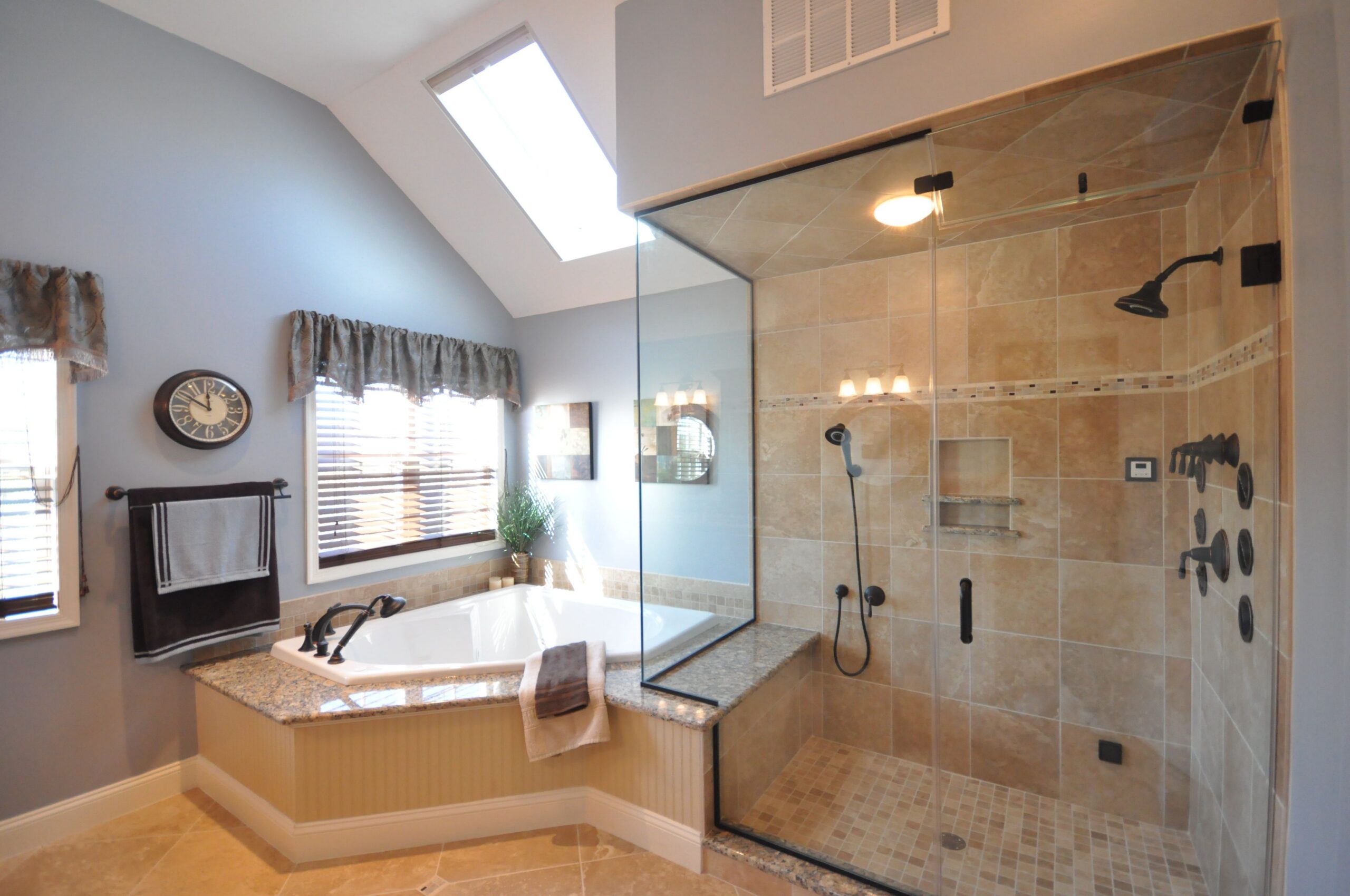
Knowing whether your project is a renovation or a full remodel helps set clear expectations from the start and ensures your bathroom update is planned, priced, and executed the right way for your home.

30 January, 2026 04:27:48
The best small bathroom remodels focus on smart layout choices, clean design, and details that make the space feel brighter, more functional, and intentionally designed rather than overcrowded.
