Most bathroom remodels in New Jersey require permits if plumbing, electrical, or structural work is involved.
Permits protect homeowners and ensure work meets local building codes.
Permits are usually needed for:
Each municipality may have slightly different requirements.
Cosmetic updates that often do not require permits include:
Always confirm with your local building department.
Permits:
Skipping permits can create legal and financial problems later.
Timelines vary by town, but approvals can take several days to a few weeks.
In most cases, the contractor handles permits and inspections.
31 March, 2026 03:11:54
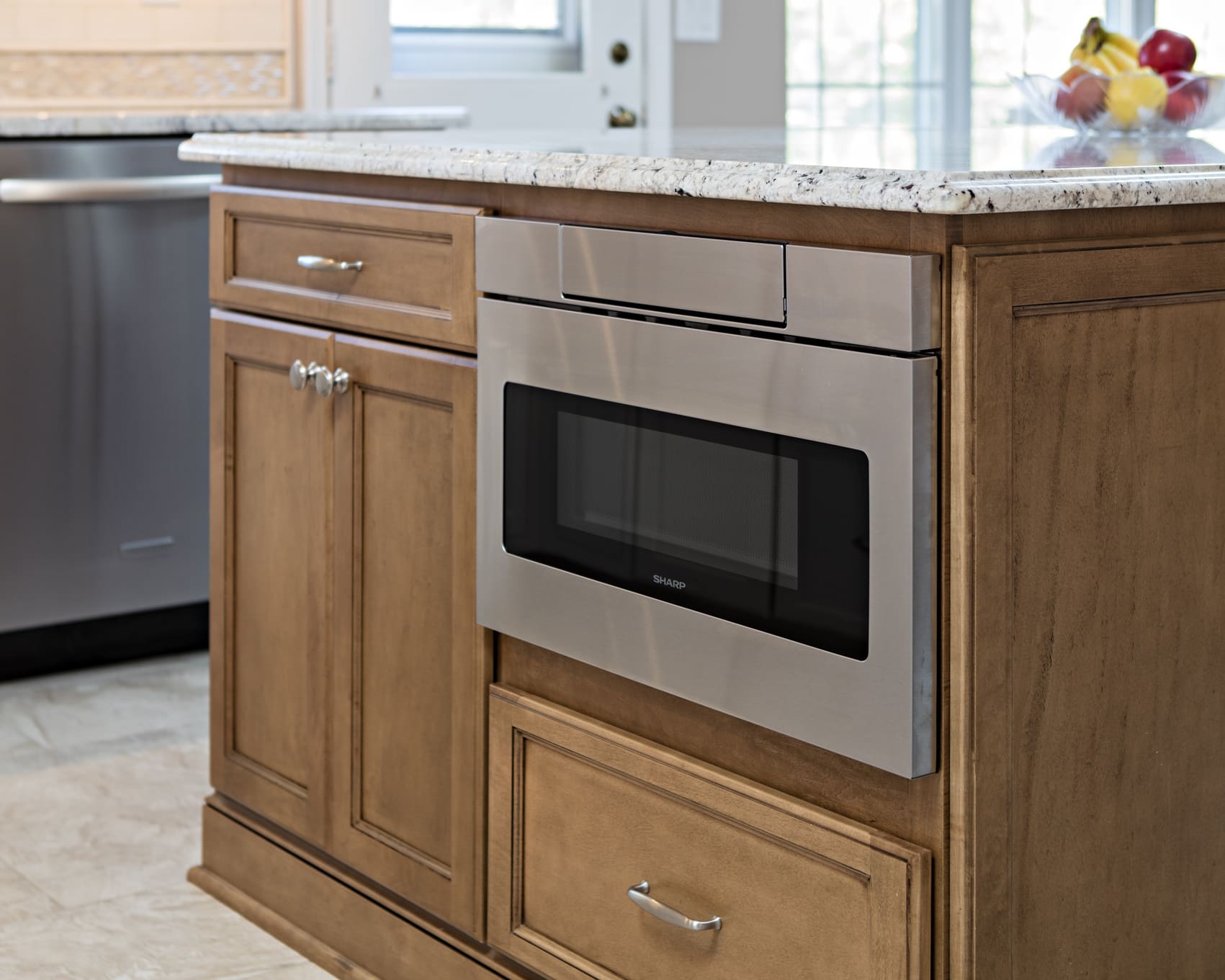
The best kitchen upgrades improve how the space works every day. Explore functional design ideas—smarter storage, better lighting, and layouts that make cooking and cleanup easier.
31 March, 2026 03:10:28
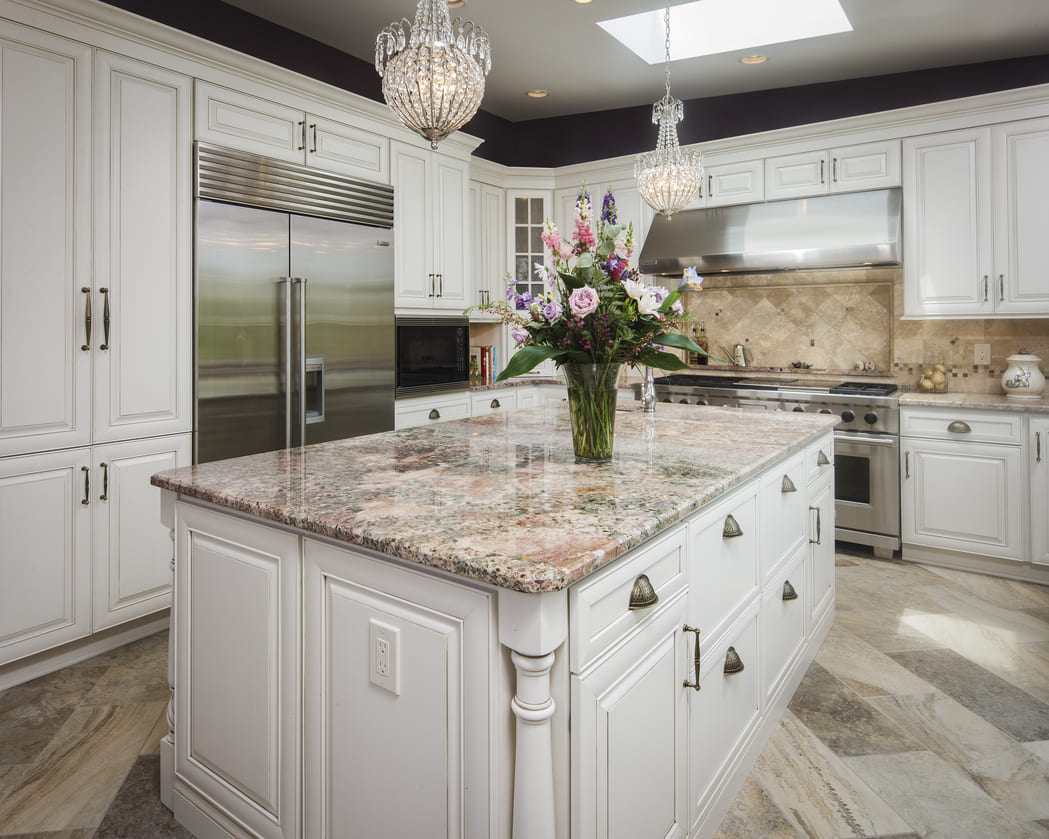
The right NJ kitchen remodeling contractor keeps your project compliant, organized, and on schedule. Use this checklist of what to look for and what to ask before you hire.
31 March, 2026 03:09:07
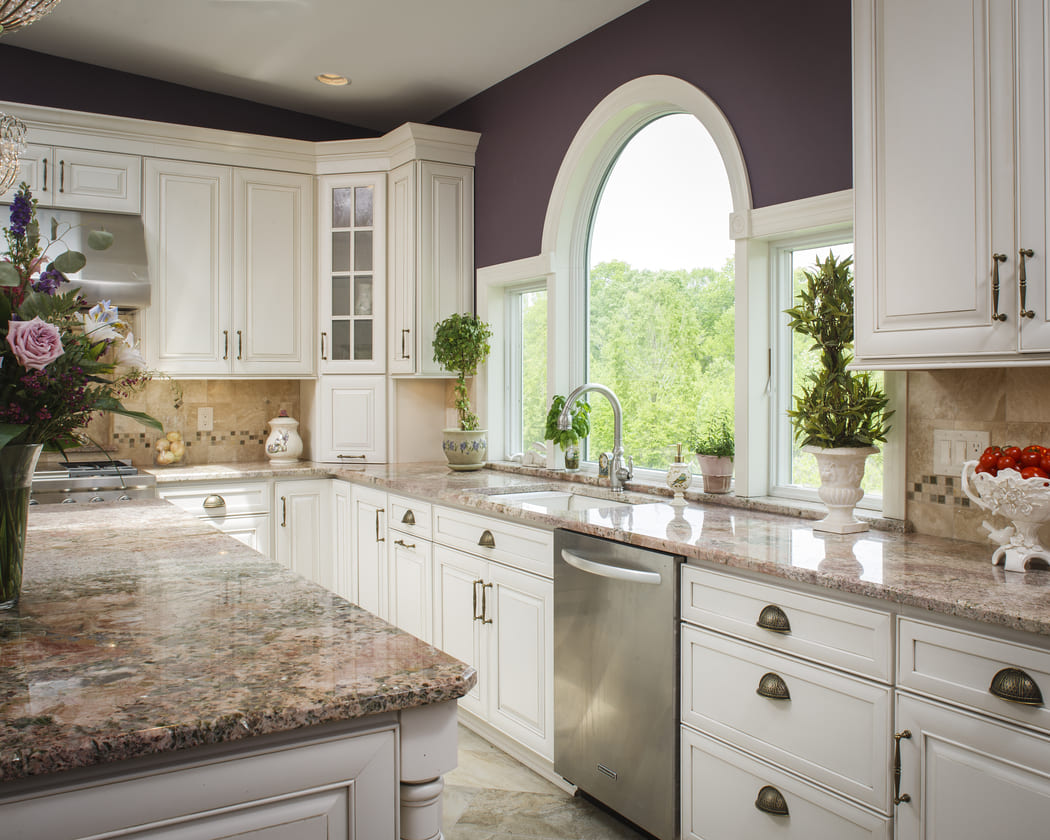
Kitchen remodel mistakes can lead to delays, budget overruns, and daily frustration. Here are the most common issues—storage, layout, budgeting, changes, and contractor choice—so you can avoid them.
